
| Brand | Unbranded |
| Manufacturer | Natural Products |
| Model Number | NO-SAGL75 |
| Plant Type | Herbs |
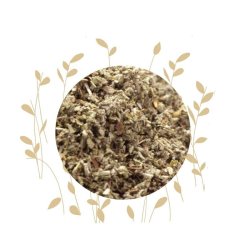
Sage Leaves Cut is dried cut Salvia officinalis leaf with a strong, savoury aroma and astringent herbal character. Sage is widely used in cooking and has a long tradition in herbal teas, mouth rinses, gargles, compresses and hair rinses. It is often prepared as a mouthwash or gargle for mouth, tongue and throat comfort, and is traditionally used in menopause sweat-support routines.
The cut format is easy to steep and strain for simple home preparations. Why we love it: Sage is bold, aromatic and practical. The cut leaf format works well for teas, gargles, hair rinses and savoury kitchen use. Key Properties Botanical Name: Salvia officinalis Plant Part: Leaf Form: Cut dried leaves Flavour Profile: Savoury, earthy, aromatic and slightly bitter Profile: Culinary, astringent and traditional womens wellness herb Suitable For: Cooking, Herbal Tea, Gargles, Mouth Rinses, Compresses, Hair Rinses And Herbal Blends Storage: Store sealed in a cool, dry place away from light, moisture and strong odours What It's Used For Savoury cooking and herb blends Herbal teas and infusions Mouth and throat gargles Mouthwash-style rinses Compresses for external use Hair rinses for shine and lustre Menopause sweat-support routines under guidance Who It's For This Product Is For: Cooks wanting cut sage leaves Herbal users preparing gargles or mouth rinses DIY users making hair rinses or compresses People who prefer a leaf format that is easy to strain This Product Is Not For: Pregnancy Breastfeeding People with epilepsy or a history of epileptic fits Suppressing perspiration during fevers Long-term or high-dose medicinal use without professional guidance Use as a substitute for professional care for mouth infections, throat infections, fever, menopause symptoms or excessive sweating How To Use As Sage Tea: Use about 1 teaspoon dried sage leaves per cup of boiling water.
Infusion Method: Steep, then strain. Add honey if desired. As a Gargle Or Mouth Rinse: Prepare an infusion, cool fully, gargle or rinse briefly, then spit out. As a Compress: Soak a clean cloth in a cooled infusion, wring out and apply briefly to the desired area. As a Hair Rinse: Prepare an infusion, cool fully, strain well and apply briefly to clean hair.
Freshness Tip: Store tightly sealed and discard prepared infusions the same day. Safety Instructions Consult a qualified herbal practitioner before use, especially if pregnant, nursing, taking medication or managing a medical condition Sage should not be used by pregnant or nursing women Sage should not be used by people with epilepsy or epileptic fits Do not use sage to suppress perspiration during fevers Do not swallow mouth rinse or gargle preparations Patch test before topical use Avoid eyes and broken skin Seek medical care for fever, severe throat symptoms, mouth infection signs or persistent excessive sweating Discontinue use if irritation, digestive upset, headache or any adverse reaction occurs Keep out of reach of children and pets FAQs Q: What is Sage Leaves Cut used for?
A: It is used in cooking, herbal teas, gargles, mouth rinses, compresses and hair rinses. Q: Why choose cut sage leaves instead of ground sage? A: Cut leaves are easier to strain from teas and rinses, while ground sage blends more evenly into food. Q: Can Sage Leaves Cut be used as a hair rinse? A: Yes, prepare an infusion, cool it fully, strain well and apply briefly to clean hair.
Q: Can Sage be used during breastfeeding? A: No, the source states sage should not be used by nursing women.
 Related Products
Loading similar products...
Stay informed about the best deals and price drops. Choose which notifications you'd like to receive from PriceCheck.


